Roof Fungus Removal in Vancouver, WA
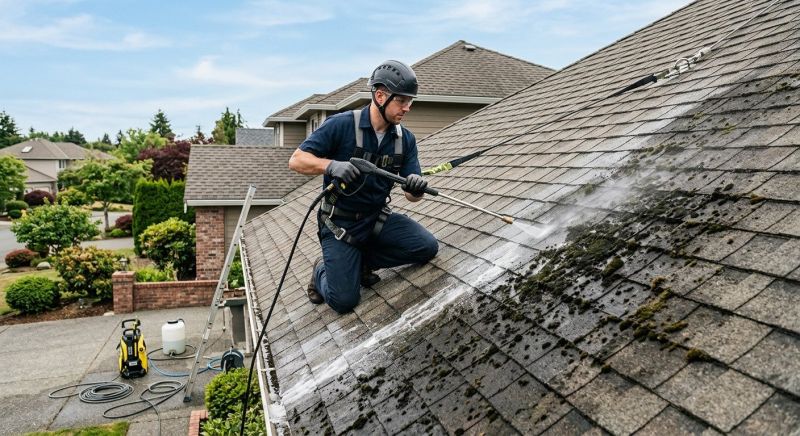
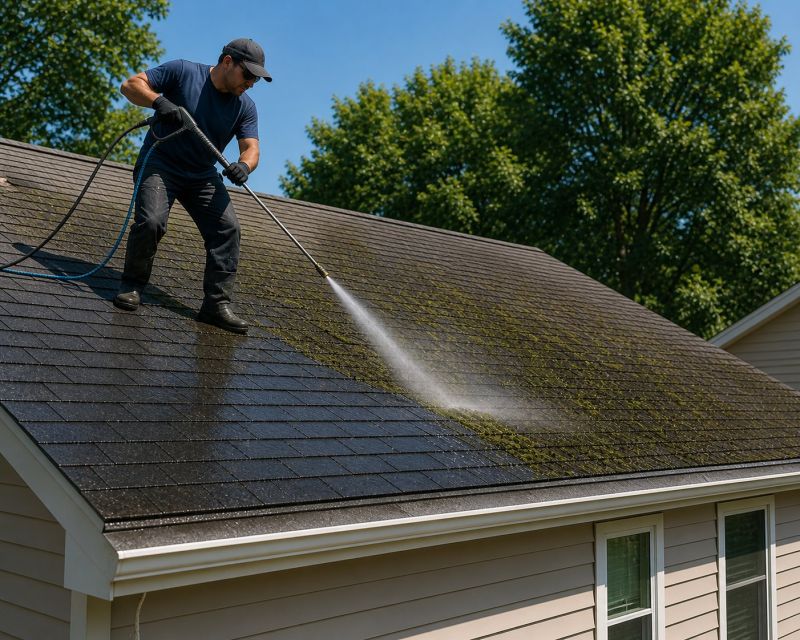
Roof fungus removal services focus on eliminating mold, algae, and moss growth that can develop on roofing surfaces over time. These projects typically involve treating various types of roofs, including asphalt shingles, tile, and wood, to restore their appearance and prevent potential damage caused by organic growth. Property owners often seek this service to improve curb appeal, maintain roof integrity, and prevent issues like slipping or water retention that can arise from moss and algae buildup.
Before requesting roof fungus removal, homeowners usually want to understand the scope of the treatment, including whether it involves cleaning, chemical application, or preventative measures. It’s also common to inquire about the impact on roof materials, the potential for future growth, and any necessary follow-up maintenance. Clear information about the process helps property owners make informed decisions to protect their investment and ensure the longevity of their roofing system.
Many property owners in Vancouver, WA look into Roof Fungus Removal for repairs, replacements, upgrades, and appearance-related improvements.
Identifying Roof Fungus
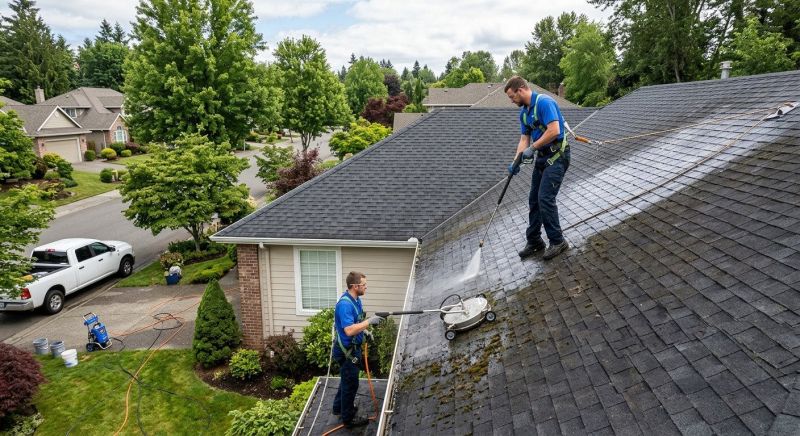
Signs of roof fungus include dark streaks and moss growth that can compromise roof integrity.
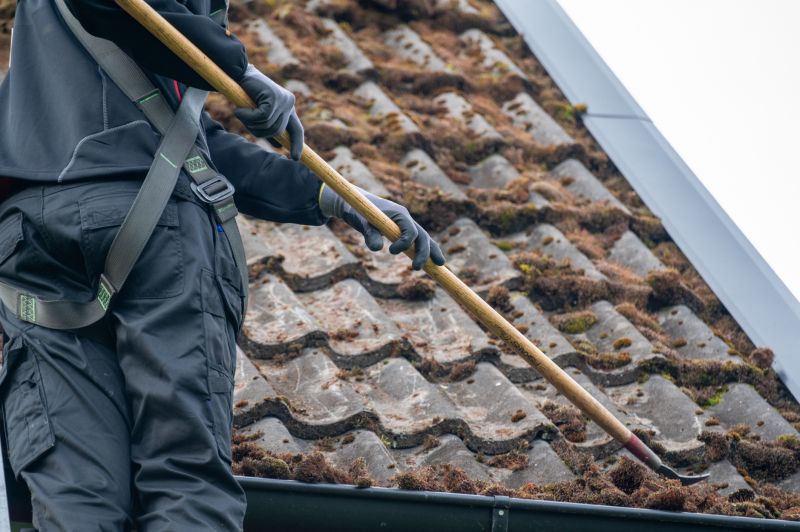
Benefits Of Fungus Removal
Removing roof fungus helps extend the lifespan of the roof and improves overall property appearance.
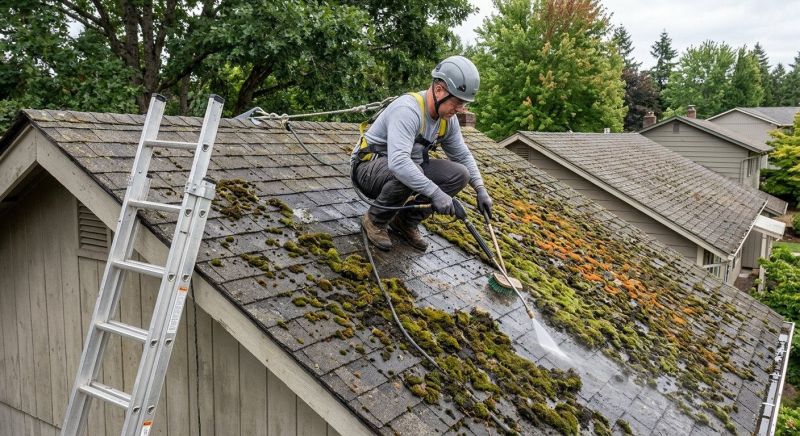
Prevention Tips
Regular maintenance and proper roof ventilation can help prevent future fungal growth on residential roofs.
Roof Fungus Removal in Vancouver, WA

Roof fungus removal services focus on eliminating mold, algae, and moss growth that can develop on roofing surfaces over time. These projects typically involve treating various types of roofs, including asphalt shingles, tile, and wood, to restore their appearance and prevent potential damage caused by organic growth. Property owners often seek this service to improve curb appeal, maintain roof integrity, and prevent issues like slipping or water retention that can arise from moss and algae buildup.
Before requesting roof fungus removal, homeowners usually want to understand the scope of the treatment, including whether it involves cleaning, chemical application, or preventative measures. It’s also common to inquire about the impact on roof materials, the potential for future growth, and any necessary follow-up maintenance. Clear information about the process helps property owners make informed decisions to protect their investment and ensure the longevity of their roofing system.
Many property owners in Vancouver, WA look into Roof Fungus Removal for repairs, replacements, upgrades, and appearance-related improvements.
Common Roof Fungus Removal Jobs
Roof Fungus Removal - Eliminates mold, algae, and moss that can damage roof surfaces.
Roof Cleaning - Restores the appearance of roofs affected by fungal growth.
Moss and Algae Treatment - Applies specialized solutions to prevent future fungal buildup.
Surface Preservation - Helps extend the lifespan of roofing materials through thorough cleaning.
Preventative Services - Offers treatments to inhibit fungal growth and protect roofing surfaces.
Inspection and Assessment - Identifies areas prone to fungus and recommends effective removal solutions.
Roof Fungus Removal Questions
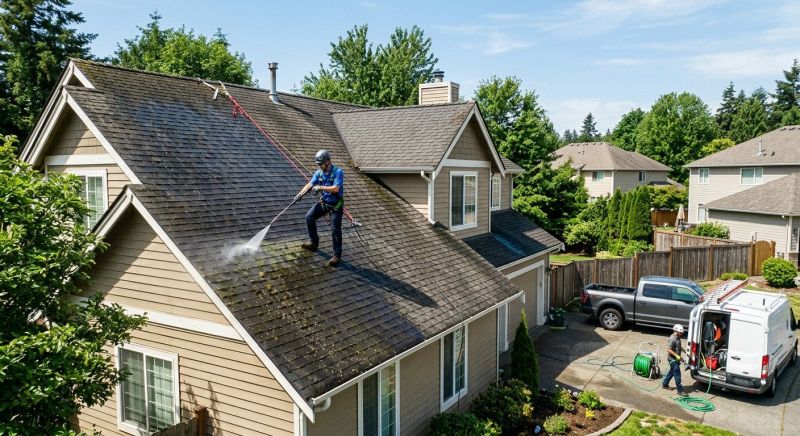
What causes roof fungus growth? Roof fungus can develop due to moisture, shade, and organic debris on the roof surface, creating conditions that promote mold and algae growth.
How can roof fungus be identified? Signs include dark streaks, green or black patches, and a slimy or fuzzy texture on the roof surface, often visible in shaded areas.
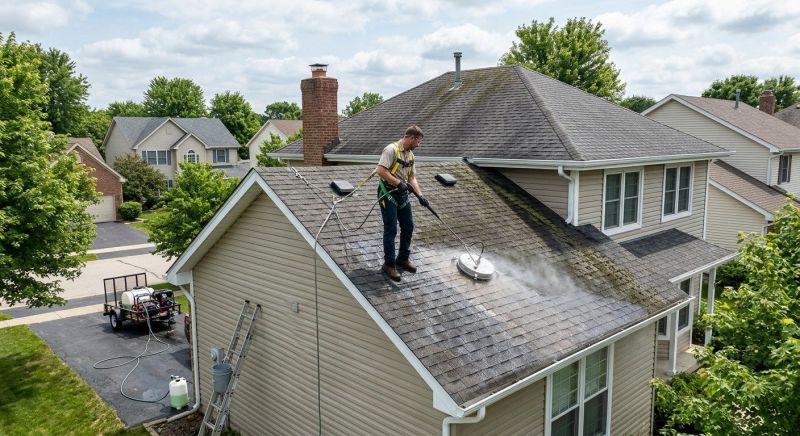
Is roof fungus removal safe for the roof? Professional removal methods are designed to clean the roof effectively without damaging shingles or roofing materials.
What are common reasons to remove roof fungus? Removing roof fungus helps improve curb appeal, prevent potential damage, and maintain the overall health of the roofing system.
Request Roof Fungus Removal in Vancouver, WA
Use the quote form on this page to share the basics of your project and request more information for the type of work you need.